What’s The Difference Between Being Sober and Being In Recovery?
Understanding the difference between sobriety and recovery is crucial for anyone on the path to overcoming addiction.
While sobriety is an essential part of the process, it’s only the beginning. Recovery is where true healing and transformation happen. It’s a lifelong journey of growth, self-discovery, and renewal—a journey that leads to a life of freedom, joy, and fulfillment.
I didn’t actually realize, until I was in recovery….what the difference was, between being sober, and being in recovery.
I never understood why I could go certain durations of time without using, and then suddenly I was right back where I started.
What Does It Mean to Be Sober?
At its most basic level, sobriety means abstaining from alcohol or drugs. When someone is sober, they have made the decision to stop using substances, which is a significant first step in addressing addiction. Sobriety is about saying "no" to the substances that once controlled your life and reclaiming a sense of physical and mental clarity.
However, simply staying sober often focuses solely on the act of not using. No doubt, it involves willpower and determination, but it doesn’t necessarily address the deeper issues that led to addiction in the first place.
Without addressing these underlying issues, the risk of relapse remains high because the root causes of addiction are still present.
It didn’t make sense to me - other people had gotten sober, and seemed to be totally happy. They went on to have great lives. They seemed to be enjoying themselves.
When I sobered up, I was not having a good time.
But, it was possible right? I had to keep telling myself there was more to life. That it wouldn’t stay this way forever.
Getting sober is only the tip of the iceberg. Sobriety, with no work put in, besides abstinence, remains stagnant. I was a ticking time bomb.
I became good at not using. But, one way or another, I was led right back to the same shit.
I had to take a good hard look at myself. I was so sick of the constant cycle. Get clean, stay clean, fuck up, face the consequences, sober up again.
The real transition and transformation happened when I decided I needed to do things differently.
The Importance of the Distinction
The difference between just staying sober and being in recovery is significant because it reflects the depth of commitment to a new way of life. Sobriety alone may keep you from using, but it doesn’t necessarily heal the wounds that addiction created. Recovery is about transforming those wounds into wisdom and strength.
In recovery, the focus is on long-term change, building resilience, and creating a life that is not only free from addiction but also rich in meaning and fulfillment. It’s about no longer surviving, but thriving.
Best tips I can give you for coming right out the gate, or for those struggling to find long-term recovery (here’s how to get there):
1: Start Small (But Start!): Doing things we don’t want to do is a part of life. Self-discipline is something worth mastering and will help you tremendously with sobriety success.
If you cannot hold yourself accountable, and push yourself to do the hard shit, you’re going to struggle getting to the good shit.
Don’t try to tackle the whole mountain in a day. We spent so long making a mess of things, it’s unrealistic to hold yourself to a standard of fixing it all overnight.
Start with building new, small, but pivotal habits. Get good sleep, wake up early, practice good self-care, start daily journaling, make your bed, go to a meeting.
All of these things may seem mundane, but they all add up, and make a major difference!
When you start doing things that make you feel good about yourself - you start to feel good about yourself (weird concept I know). Feeling good about yourself, in return, only helps support you more in having the desire to stay clean.
Check out our digital library which is PACKED FULL of free resources, helpful tools, workbooks, planners, eBooks, anything that might be considered a “problem area”, we have provided means to support you while working through them. Access Digital Library Here.
2. LISTEN: I struggled for a LONG time with this. I heard for years, while stuck in my addiction, the opinions of others. But, I was never truly listening. I always preached or tried to convince myself and everybody else, that I knew what was best for me and my recovery, to avoid doing the uncomfortable things, that might actually promote growth or change. I only hurt myself in the long run.
Word of advice: not everyone is out to get you. Counselors, family, friends, sponsors, use your resources! And, for once, just listen. Find someone that you connect with, has your best interest at heart, you idolize for their own accomplishments, and feel comfortable fully confiding in.
It’s important to establish these relationships. For me, it was finding my sponsor. She holds me accountable, gives me guidance when I need it, and is someone I trust. If we truly knew what was best for us, we probably wouldn’t be in the position we got ourselves in, right? It’s okay to ask for and receive help. My sober journey took a major turn, the moment I decided to let others support me, and listened to their direction.
3. Give Yourself Grace: The more you become consistent with putting in the work towards your recovery, the fewer, if any relapses will occur. Recovery is not easy. It is never a straight shot, no matter how hard you try. No one is perfect.
Recovery for me, meant no longer looking at a fall, as a failure. Setbacks started to be viewed as another opportunity for growth and improvement. Slip ups became less detrimental and no longer contributed to a major downhill spiral. They became the new stepping stones to continue moving me forward.
Self-compassion comes from your ability to embrace the change that fall brings. Confidence comes from your ability to reflect and see the resilience you hold when it comes to triumph over all of your past hurdles.
What Does It Mean to Be in Recovery?
Being in recovery means actively working on the emotional, mental, and spiritual aspects of life that were affected by addiction.
Recovery involves more than just not using substances—it’s about creating a new way of living. This can include:
Therapy or Counseling: Working through past traumas, emotional pain, and mental health challenges that may have contributed to addiction.
Support Systems: Building and maintaining relationships with others who support your sobriety, whether through 12-step programs, sober living communities, or other support networks.
Self-Care: Developing healthy habits and routines that promote physical and mental well-being, such as exercise, proper nutrition, and mindfulness practices.
Personal Development: Engaging in activities that foster personal growth, such as pursuing new hobbies, education, or career goals.
Spirituality: For some, recovery may involve a spiritual journey, finding a sense of purpose, or connecting with a higher power.

If you're on this path, know that choosing recovery means choosing to fully embrace life, to heal, and to thrive. Start saying "no" to substances and saying "yes" to yourself, your potential, and your future.
This shit is hard. Commend yourself for coming this far. Every day is worth celebrating, no matter where you are on your journey! Keep going. It gets better. I wouldn’t lie to you.
We'd Love to Hear From You!
Your journey through sobriety and recovery is uniquely yours, and your experiences can offer invaluable insights to others on a similar path. How do you differentiate between sobriety and recovery in your own life? What advice or personal stories can you share about navigating these two important aspects of your journey?
Please leave a comment below with your thoughts. Your contribution could inspire and support someone else who is walking this path. Let's continue to build a community of strength and understanding together!
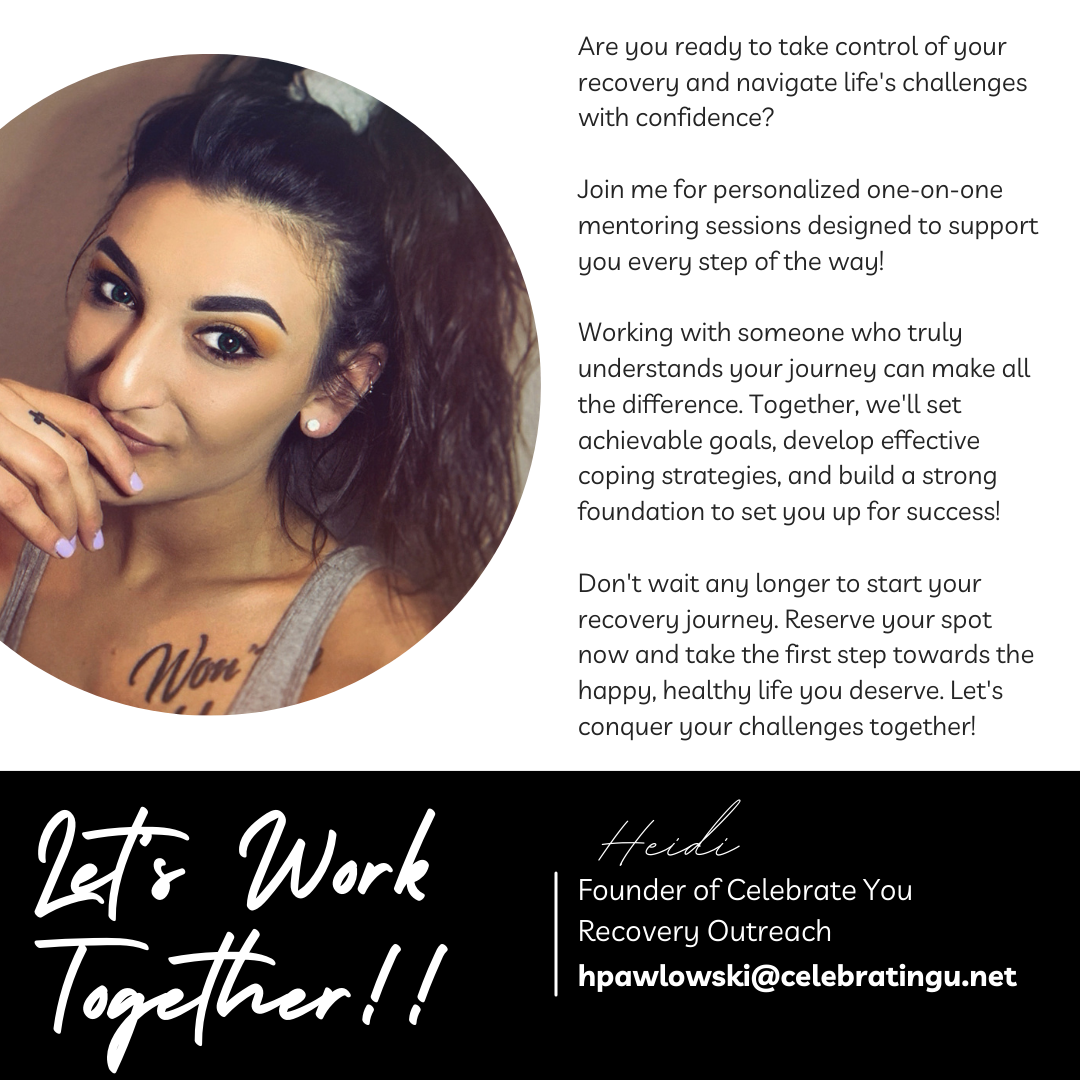
Let’s Work Together!
Our one-on-one peer mentoring sessions are designed to provide personalized, empathetic support, and guidance tailored to your unique recovery journey. These services can still be of value to you, even if you are choosing to not be on the path of absolute sobriety. Mentoring services are designed to help you rebuild your life after any hardship.
What Our Sessions Help With:
Achieving and Maintaining Sobriety: Receive practical advice, coping strategies, and emotional support to help you stay sober (If desired)
Setting and Achieving Goals: Work with your mentor to set realistic recovery goals and develop a plan to achieve them.
Overcoming Challenges: Get guidance on navigating the obstacles and triggers that arise during recovery.
Building a Support System: Learn how to build and maintain a supportive network of friends, family, and fellow recoverees.
Developing Healthy Habits: Establish routines and habits that promote a healthy, fulfilling lifestyle.
Addressing Additional Struggles Aside From Substance or Alcohol Use
What You’ll Get:
This is a one time purchase. You will receive two individual 1:1 virtual sessions with me, scheduled at your own convenience. Sessions are 45 mins - 1 hr long dependent on individual client. Sessions will be held per clients request via zoom audio, video, or phone call. 24/7 texting options available! Looking for daily support ? Or a quick check-in? Let me know and we can set it up!
Purpose and Benefits of Peer Mentoring:
The purpose behind peer mentoring is to provide support from someone who has been in your shoes. Peer mentors offer insights, encouragement, and practical advice drawn from their own experiences with addiction and recovery. This type of support can be incredibly powerful and beneficial for your sobriety, as it:
Promotes Accountability: Regular check-ins help keep you accountable to your recovery goals.
Fosters Connection: Building a relationship with someone who understands your journey can reduce feelings of isolation and loneliness.
Enhances Motivation: Seeing the progress and success of your mentor can inspire and motivate you to continue your recovery efforts.
Provides Hope: Knowing that your mentor has successfully navigated recovery can give you hope and confidence in your own ability to achieve sobriety.
Take the next step in your recovery journey today! I am so excited to get the opportunity to work with you!
Disclaimer:
Our peer mentoring services are designed to offer support, guidance, and encouragement through shared experiences in addiction recovery. However, they are not a substitute for professional or medical advice, diagnosis, or treatment. We strongly recommend that you seek the advice of your physician, therapist, or other qualified health providers with any questions you may have regarding a medical condition or mental health issue. Never disregard professional medical advice or delay seeking it because of something you have discussed with a peer mentor.
If you are personally looking for a mentor and someone to work 1:1 with you as you navigate your road to recovery I am here to help! Head over to our Service Page and review all the in’s and out’s of what Celebrate You Recovery Outreach has to offer. Services aim to help individuals exactly where they are at and guide them towards the life they desire and so much deserve! Let’s do this shit together! You can book your free discovery call with me by clicking here!
Don’t forget to sign-up to become part of the Celebrate You Community! Submitting your email below ensures that you stay up to date on all that’s happening. Receive monthly newsletters, sober support, shop discounts, and more! No annoying spam, I promise!